

reflective tinted glass
Understanding Tilting Check Valves Operation, Applications, and Benefits Tilting check valves are essential components in various fluid systems, playing a critical role in ensuring the proper flow direction while preventing backflow. These valves, engineered for both efficiency and reliability, are commonly used in industries such as water treatment, chemical processing, and oil and gas. This article delves into the operation, applications, and benefits of tilting check valves, highlighting their importance in modern engineering solutions. Operation of Tilting Check Valves Tilting check valves operate based on a simple yet effective mechanism that allows fluid to flow in one direction while preventing reverse flow. The main component of the valve is a tilting disc that pivots on a hinge. When fluid flows in the intended direction, the pressure pushes the disc off its seat, allowing passage. However, if the flow direction reverses, the disc tilts back to its original position, sealing the valve and blocking backflow. This tilting action is advantageous over conventional swing check valves, as it reduces the amount of space needed for operation and minimizes the risk of valve chatter—a condition where the valve rapidly opens and closes due to fluctuations in pressure. Tilting check valves are designed to respond more effectively to changes in fluid dynamics, making them a reliable choice for dynamic systems. Applications of Tilting Check Valves Tilting check valves are used in a variety of applications across multiple industries. Their ability to effectively manage flow direction and prevent backflow makes them ideal for 1. Water and Wastewater Treatment In water treatment facilities, these valves help control water flow through various stages of purification and prevent contamination by stopping backflow in the system. They are crucial in ensuring that treated water remains free from pollutants. 2. Chemical Processing In chemical plants, tilting check valves manage the flow of corrosive and hazardous fluids, ensuring that backflow does not occur, which could lead to contamination or unsafe conditions. Their durable construction allows them to handle high-pressure and high-temperature applications. 3. Oil and Gas The oil and gas sector relies on tilting check valves to manage the flow of crude oil and natural gas through pipelines and refineries . They provide a necessary safeguard against reverse flow, protecting equipment and processes from potential damage. tilting check valve 4. HVAC Systems In heating, ventilation, and air conditioning (HVAC) applications, these valves help control airflow and ensure that hot or cold air flows in the intended direction, enhancing system efficiency. Benefits of Tilting Check Valves The use of tilting check valves offers numerous benefits - Prevention of Backflow The primary function of tilting check valves is to prevent backflow, safeguarding systems against potential damage and ensuring operational safety. - Reduced Pressure Drop These valves typically exhibit lower pressure drop characteristics compared to traditional check valves, which translates to improved system efficiency and reduced energy consumption. - Versatile Design Tilting check valves come in various designs and materials, allowing for customization to specific applications, whether in corrosive environments or systems with varying pressure requirements. - Ease of Maintenance The simple design of tilting check valves facilitates easy installation and maintenance. Many models do not require regular maintenance, which can help reduce operational costs over time. - Increased Reliability The robust construction of tilting check valves ensures they can withstand the rigors of industrial environments, leading to a longer lifespan and decreased likelihood of failure. Conclusion Tilting check valves play a vital role in maintaining the integrity and efficiency of fluid systems across various industries. Their ability to prevent backflow, combined with their efficient operation and versatility, makes them an invaluable component in modern engineering. As industries continue to evolve, the demand for reliable and efficient flow management solutions, like tilting check valves, will remain a critical consideration in system design and operation.
about
reflective tinted glass
Understanding Pilot Operated Check Valves Key Components in Hydraulic Control Systems In the realm of hydraulic systems, the functionality and reliability of components play a crucial role in maintaining system efficiency and safety. Among these components, pilot operated check valves stand out as sophisticated regulatory devices that offer enhanced control over fluid flow. This article delves into the intricate workings, applications, and benefits of pilot operated check valves, underscoring their significance in modern hydraulic machinery. **Introduction to Check Valves** Fundamentally, a check valve is a unidirectional valve that permits fluid flow in one direction while preventing backflow, ensuring process continuity and protecting system components from damage due to unintended pressure reversals. Simple check valves operate based on differential pressure, opening when the upstream pressure exceeds a certain threshold and closing automatically when this pressure drops or reverses. **Pilot Operated Check Valve An Overview** A step above conventional check valves, the pilot operated check valve (POCV) employs an additional level of control through a pilot mechanism. Unlike standard check valves that rely solely on fluid pressure for operation, POCVs use a separate, low-pressure signal (the pilot pressure) to control the main valve's opening and closing. This design introduces a higher degree of regulation and responsiveness, making them particularly valuable in complex hydraulic circuits. **Operating Principle** The heart of a POCV lies in its dual-chamber design. The primary valve body, akin to a traditional check valve, consists of a spring-loaded poppet that seals against a seat to halt reverse flow. However, this poppet is controlled not directly by the main line pressure but by a smaller, secondary valve – the pilot valve. The pilot valve responds to a separate, low-pressure signal, which when activated, relieves pressure behind the poppet, allowing it to open under the influence of the upstream pressure. This setup enables the POCV to remain closed even under high differential pressures until the pilot signal commands otherwise, providing precise control over the fluid's directional flow. Conversely, when the pilot pressure is relieved, the spring forces the poppet to seal, effectively halting any potential backflow Conversely, when the pilot pressure is relieved, the spring forces the poppet to seal, effectively halting any potential backflow Conversely, when the pilot pressure is relieved, the spring forces the poppet to seal, effectively halting any potential backflow Conversely, when the pilot pressure is relieved, the spring forces the poppet to seal, effectively halting any potential backflow pilot operated check valve . **Key Benefits and Applications** The precision control offered by POCVs makes them indispensable in several hydraulic applications 1. **Accumulator Isolation** In systems with accumulators, POCVs prevent pressurized fluid from flowing back into the pump during operation, ensuring efficient energy usage and system protection. 2. **Pressure Holding Circuits** They are used to maintain pressure in specific parts of a circuit, even when the main pump is deactivated, facilitating functions like brake locking or tool holding in machinery. 3. **Overload Protection** By integrating POCVs with relief valves, they can provide an additional layer of safety against excessive pressure spikes, safeguarding sensitive equipment. 4. **Cylinder Control** In hydraulic cylinders requiring precise motion control, POCVs can regulate the extension and retraction sequences, enhancing operational smoothness and accuracy. **Conclusion** Pilot operated check valves exemplify the integration of advanced technology into hydraulic systems, offering a blend of responsiveness, control, and safety. Their ability to precisely manage fluid flow based on external signals elevates their utility beyond conventional check valves, making them a preferred choice in numerous industrial and mobile hydraulic applications. Understanding the principles and benefits of POCVs is essential for engineers and technicians aiming to optimize system performance and reliability. As hydraulic systems continue to evolve, the strategic implementation of components like POCVs will play a pivotal role in achieving higher levels of efficiency and control.
-

High quality industrial productsagement

High quality industrial products
View Details -

Meet the diverse needs of customers

Meet the diverse needs of customers
View Details -

Strict quality control

Strict quality control
View Details -

Top raw materials

Top raw materials
View Details -

Trusted supplier

Trusted supplier
View Details
Our application
news and information

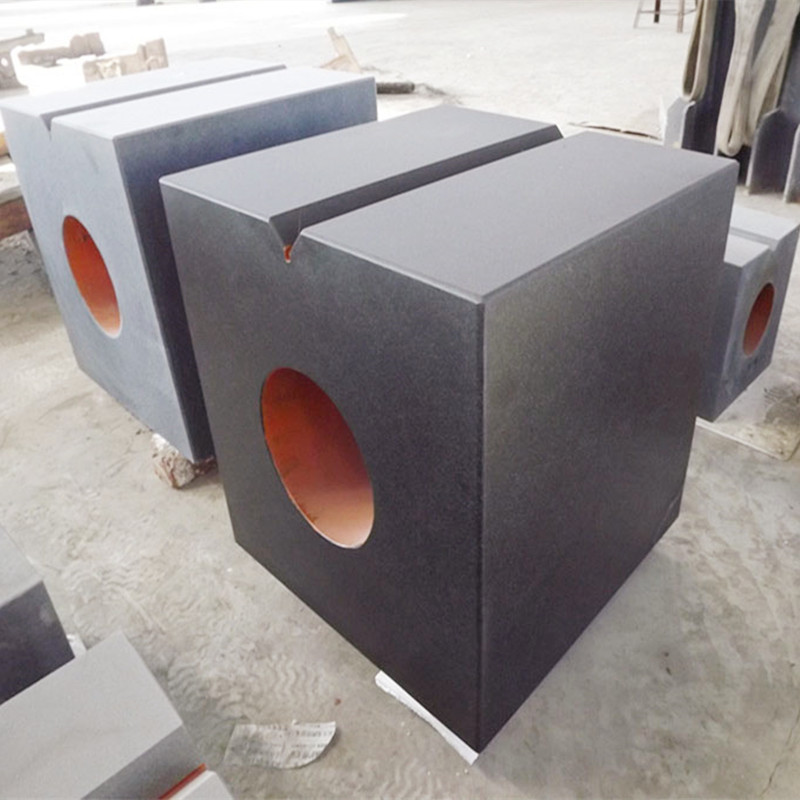
v block v block
Understanding V Block A Fundamental Tool in Manufacturing and Engineering In the world of manufactur
V Guide Rail - Precision Guiding Solutions for Enhanced Motion Control
The Importance of Guide Rails in Modern Infrastructure In the complex world of modern infrastructure

Water Valve Emergency Shutoff Procedure for Residential Systems
water valve shut off .
 English